History of Tea in India: From Ancient Traditions to Global Fame
History of Tea in India: From Ancient Traditions to Global Fame
- Admin
Tea is one of the most loved beverages in India. Millions of people start their day with a warm cup of chai, making tea an important part of daily life and culture. Today, India is one of the largest producers and consumers of tea in the world. However, the journey of tea in India has a fascinating history that dates back centuries.
From ancient herbal drinks to large tea plantations established during the colonial era, the history of tea in India reflects culture, trade, and innovation. In this article, we explore how tea became such an important part of Indian life.
Early Origins of Tea in India
The history of tea in India is often linked to ancient herbal traditions. Long before commercial tea cultivation began, people in many regions of India used wild tea leaves for medicinal purposes.
Local tribes in the northeastern regions, especially in Assam, were known to brew tea leaves and drink them for their health benefits. These communities believed that tea helped improve digestion, boost energy, and keep the body warm.
Although tea was known locally, it was not widely cultivated or consumed across India at that time.
Discovery of Tea Plants in Assam
The modern history of tea in India began in the early 19th century. During this time, the British were importing tea from China, which was expensive and difficult to manage.
In 1823, a Scottish explorer named Robert Bruce discovered wild tea plants growing in the forests of Assam. The local Singpho tribe had already been using these tea leaves for brewing.
This discovery was very important because it proved that tea could grow naturally in India. The climate and soil conditions in Assam were perfect for tea cultivation.
Soon after this discovery, the British started experimenting with tea plantations in Assam.
Establishment of Tea Plantations
In the 1830s, the British East India Company began developing large tea plantations in Assam to reduce dependence on Chinese tea imports.
Tea plants from China were brought to India and planted alongside native Assamese tea plants. Over time, the Indian tea plants proved to be stronger and more suitable for the local climate.
Large plantations were established, and tea production started increasing rapidly. Workers from different parts of India were brought to work in tea gardens.
By the mid-19th century, India had become a major tea producer.
Growth of the Indian Tea Industry
As tea production expanded, new tea-growing regions were developed in India. Some of the most famous tea-producing areas include:
Assam – Known for its strong and bold tea flavor
Darjeeling – Famous for its delicate and aromatic tea
Nilgiri – Known for its fragrant and smooth tea
These regions produced different varieties of tea that became popular worldwide.
Indian tea quickly gained recognition in international markets. By the late 19th century, India had become one of the largest tea exporters in the world.
Tea Becomes Popular Among Indians
Interestingly, tea was initially grown in India mainly for export to Britain and other countries. Indians themselves did not drink tea regularly during the early days of tea cultivation.
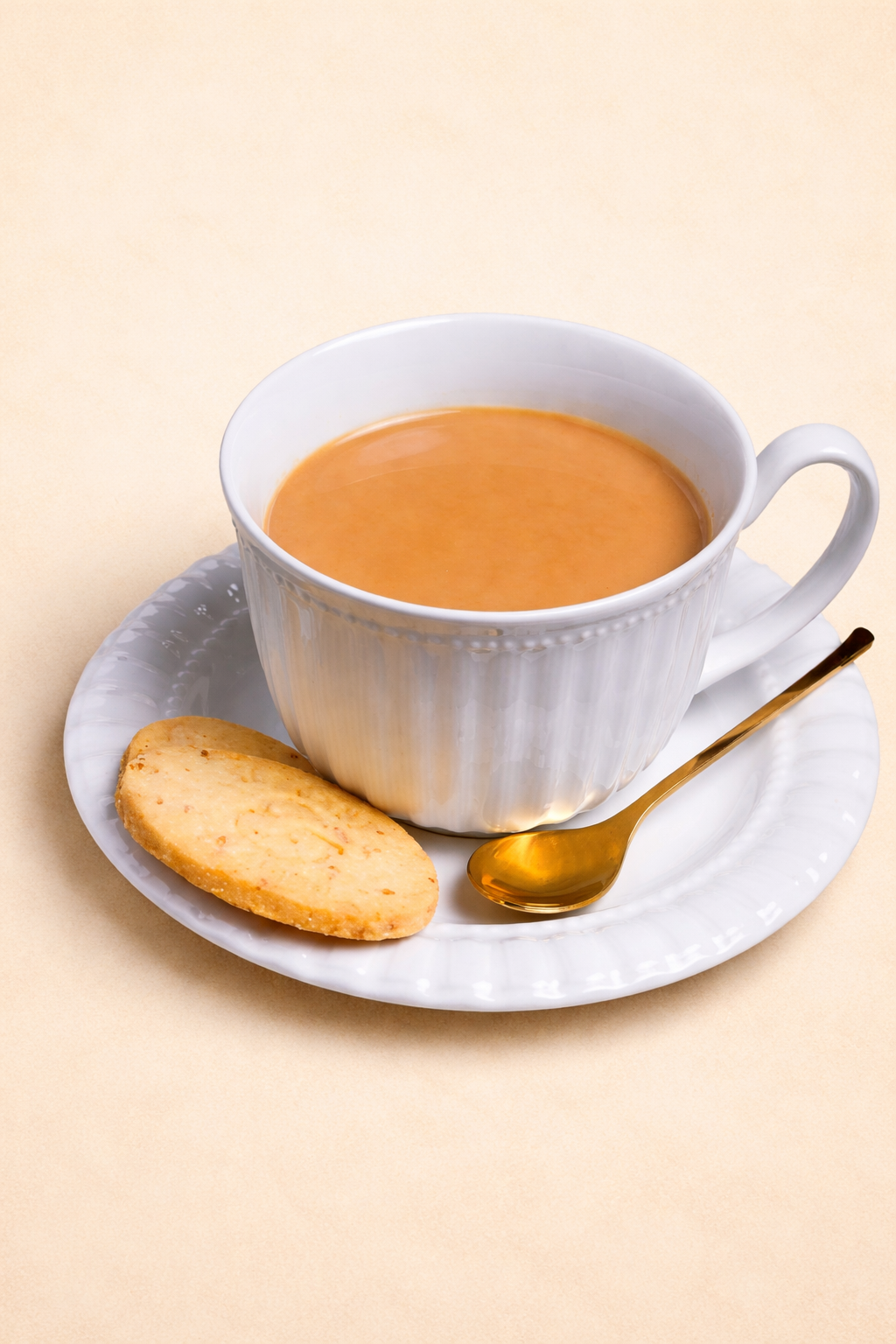
In the early 20th century, tea companies started promoting tea consumption among Indians. They encouraged people to drink tea with milk and sugar, which eventually became the popular “chai” we know today.
Tea stalls began appearing in cities, railway stations, and markets. Slowly, tea became a common beverage enjoyed by people from all walks of life.
The Rise of Indian Chai Culture
Over time, tea became deeply connected with Indian culture. Today, tea is not just a drink but also a symbol of hospitality and social connection.
In India, people often welcome guests with a cup of tea. Friends meet over chai, and families enjoy tea during breaks in their daily routine.
The popular masala chai, made with spices like ginger, cardamom, cinnamon, and cloves, is a unique Indian version of tea that is loved across the country.
Tea vendors, commonly known as “chaiwalas,” can be found almost everywhere in India.
India as a Global Tea Leader
Today, India is one of the largest tea producers in the world. The country produces millions of kilograms of tea every year and exports it to many countries.
Indian tea is known for its rich taste, aroma, and quality. Some of the most popular types of tea produced in India include:
Assam Tea
Darjeeling Tea
Nilgiri Tea
Masala Tea
Green Tea
These varieties are enjoyed by tea lovers around the world.
The Future of Tea in India
The Indian tea industry continues to grow and evolve. Modern tea brands are introducing new flavors, herbal teas, and premium tea blends to attract younger consumers.
At the same time, traditional tea farming methods are being preserved to maintain quality and sustainability.
With increasing global demand, Indian tea is expected to remain an important part of the international beverage market.
Conclusion
The history of tea in India is a story of discovery, culture, and global success. From wild tea plants growing in the forests of Assam to becoming one of the world’s largest tea industries, tea has played a significant role in India’s economy and daily life.
Today, tea continues to bring people together, whether it is a simple cup of chai at home or a relaxing break at a tea stall. As tea culture continues to grow, India remains proud of its rich tea heritage and tradition.
A cup of Indian tea is not just a beverage—it is a symbol of warmth, connection, and history.